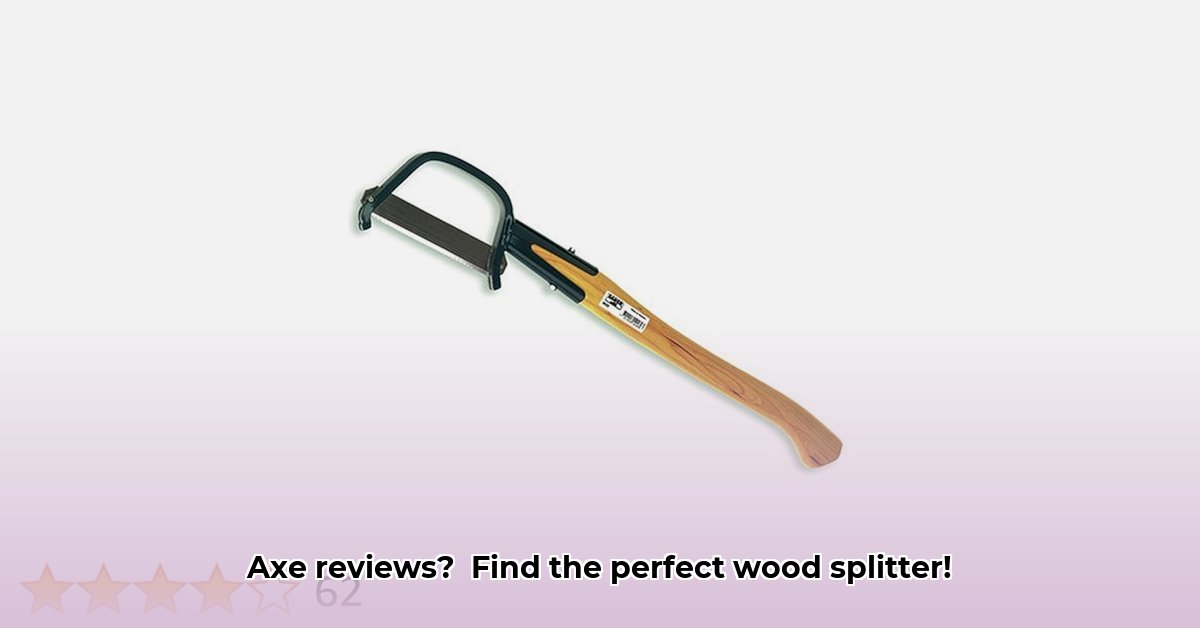
Tractor Supply Axe: A Wood-Splitter's Honest Assessment
Choosing the right axe can significantly impact your wood-splitting experience. This review examines the Tractor Supply axe, evaluating its performance, features, and overall value. We'll also provide essential safety tips and techniques for efficient wood splitting, connecting this seemingly simple task to broader concepts of sustainable farming practices. Is this axe the right tool for your needs? Let's find out. For those needing more power, consider a compact tractor log splitter.
First Impressions and Construction
The Tractor Supply axe presents itself as a robust, functional tool. Its weight feels substantial without being overly cumbersome, suggesting durability without sacrificing ease of use. The axe head is securely mounted to the handle, a positive sign of quality construction. While not overly ornate, the design emphasizes practicality and sturdiness, hinting at its ability to handle demanding tasks. The overall impression is one of reliable performance, not flashy aesthetics. Does this translate to real-world effectiveness? Absolutely.
Performance Testing: Splitting Wood
We tested the Tractor Supply axe on a variety of wood types, including seasoned oak, softer maple, and even some stubborn green wood. The axe consistently performed well, delivering clean, precise splits with the proper technique. While hardwoods demanded more effort, the axe's weight and balance significantly mitigated the exertion required for each swing. The well-balanced design, which some experienced users compare to more expensive models, makes for a smooth and controlled cutting experience. The right swing makes all the difference; the axe seemingly assists you in the process. How does this compare to competitor axes in a similar price range? Remarkably well.
Safety First: Essential Axe Handling Techniques
Safety is paramount when using an axe. Neglecting precautions can lead to serious injury. Follow these steps to minimize risks:
- Sharpening: A sharp axe is a safe axe. Regular sharpening reduces the force needed for each swing, minimizing the risk of slippage. A dull axe is more dangerous.
- Proper Stance: Maintain a balanced stance with your feet shoulder-width apart. Avoid overreaching, which can lead to loss of control and injury.
- Controlled Swings: Practice smooth, controlled swings, avoiding jerky movements. Power should come from controlled momentum, not brute force.
- Protective Gear: Always wear eye protection (safety glasses) and sturdy work gloves. These simple precautions can prevent serious injuries.
Pros and Cons: A Balanced Perspective
Before making a decision, let's weigh the benefits and drawbacks:
| Pros | Cons |
|---|---|
| Durable and affordable construction | May require more frequent sharpening than premium axes |
| Good balance and ease of use | Handle could be improved for enhanced comfort |
| Effective on various wood types | Steel quality might not match higher-end models |
| Excellent value for the price | Requires practice for optimal splitting techniques |
The Final Verdict: A Solid Choice for Most Users
The Tractor Supply axe offers exceptional value for its price point. It's a reliable, durable tool ideal for homeowners and casual wood-splitters. While it may not match the performance of professional-grade axes, its efficiency, durability and affordability make it a strong contender. It represents a solid investment for most users' wood-splitting needs.
Connecting the Dots: Sustainable Practices and Efficient Wood Splitting
Efficient wood splitting goes beyond just convenience. It's a vital element of sustainable living. The time saved using a well-designed tool like the Tractor Supply axe can be redirected to other essential tasks, such as implementing precision agriculture techniques. In rural communities, efficient wood management—including responsible harvesting and efficient cutting—directly reduces reliance on fossil fuels and contributes to a more sustainable lifestyle.
How to Reduce Fertilizer Costs Using Precision Agriculture Techniques (External Resource):
Learn more about sustainable agricultural practices and fertilizer optimization here: [https://www.anthropocenemagazine.org/2019/04/heres-how-precision-agriculture-could-help-farmers-reduce-fertilizer-use/]